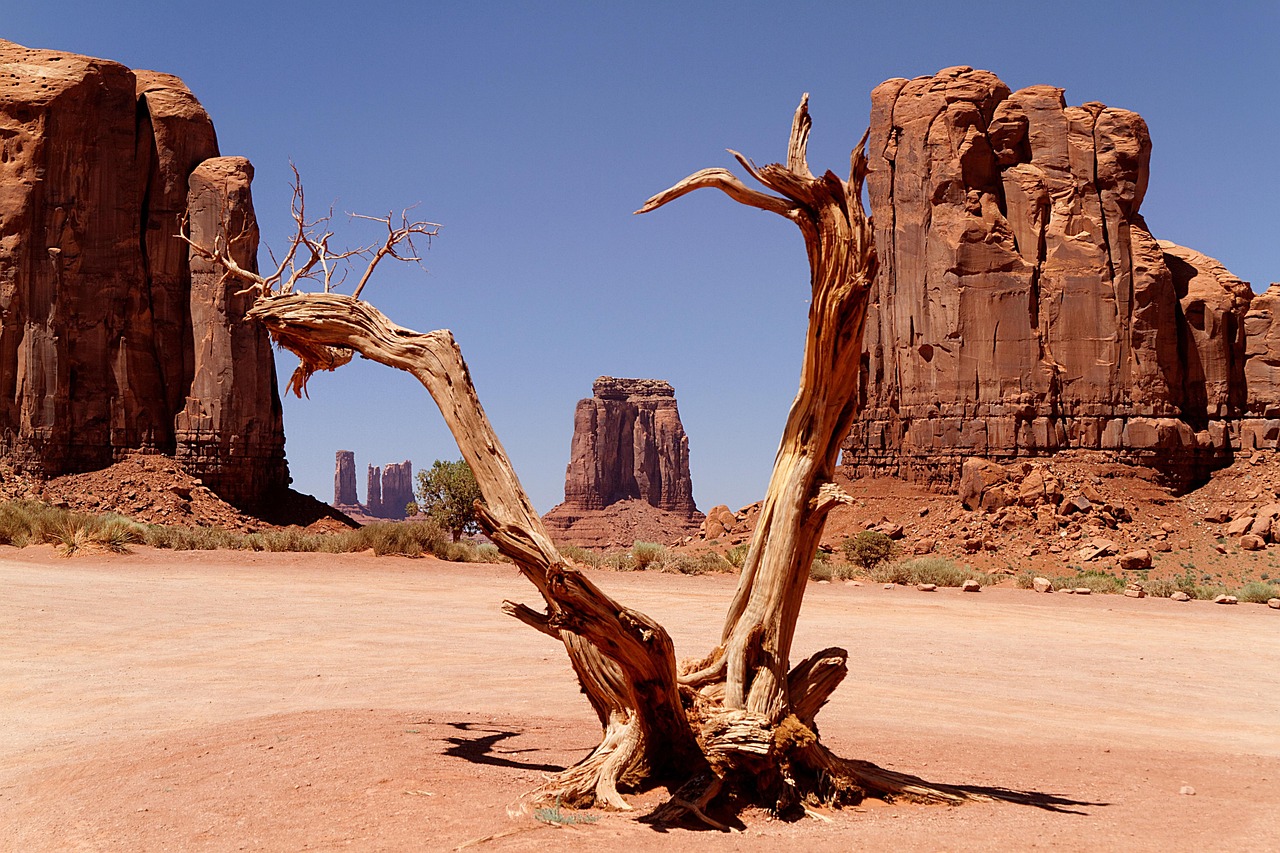
Discover the vibrant wildlife scene in Mohave Valley, Arizona—a hidden gem for outdoor enthusiasts and nature lovers. From diverse desert habitats to exciting encounters, this region offers a unique exploration of the natural world, making it an ideal destination for those seeking Mohave Valley things to do that involve getting up close with local flora and fauna.
Introduction to Mohave Valley Arizona and its Wildlife
Nestled in the heart of southeastern Arizona, Mohave Valley is a breathtaking desert oasis surrounded by towering mountains and vast expanses of rugged landscapes. This captivating region offers more than just stunning natural beauty; it's also home to an incredibly diverse array of wildlife that thrives in this unique ecosystem. Mohave Valley, Arizona, isn't just about its arid climes; it's about the remarkable adaptations and interactions that create a thriving web of life.
Exploring Mohave Valley’s Diverse Habitats
The key to understanding Mohave Valley’s wildlife lies in its varied habitats:
Deserts and Canyons
Sprawling across the valley floor, arid deserts and canyons provide challenging environments for survival but also serve as sanctuary for a surprising number of species. These areas are characterized by sparse vegetation, including succulents, cacti, and drought-resistant shrubs, that offer food and shelter to animals like the iconic desert tortoises and various snake species.
Mountains and Ridges
Towering above the valley, the surrounding mountains and ridges boast cooler temperatures and moist microclimates that support a different set of organisms. Here, you might spot deer tracks in the dust or catch a glimpse of raptors soaring on warm air currents.
Riparian Zones
Scattered throughout Mohave Valley are precious riparian zones – oases of greenery along rivers and streams. These vital habitats attract a wide variety of bird species, including migratory birds, and provide nesting grounds for waterfowl. Animals like otters and beavers also thrive here, contributing to the overall biodiversity.
Meeting Mohave Valley’s Fascinating Wildlife
The wildlife of Mohave Valley is both diverse and accessible, offering visitors numerous opportunities for observing these remarkable creatures in their natural settings. Here are some common (and not-so-common) animals you might encounter:
Birds
-
Migratory Birds: Each spring and fall, Mohave Valley becomes a bustling stopover point for migratory birds traveling between northern breeding grounds and southern wintering areas. Keep an eye out for warblers, thrushes, hawks, and even the majestic bald eagle.
-
Waterfowl: Riparian zones are hotspots for waterfowl, including mallards, Canada geese, and even the occasional pelican.
-
Raptors: Scour the skies and canyons for red-tailed hawks, peregrine falcons, and golden eagles – these powerful predators are a testament to the valley's rich avian diversity.
Mammals
-
Desert Tortoises: These slow-moving reptiles are an iconic symbol of Mohave Valley’s desert ecosystem. They can often be seen basking in the sun or foraging for vegetation.
-
Javelinas (Pacas): These medium-sized, porky mammals with waddling gaits are a common sight in the desert areas. They feed on cacti and other plants.
-
Deer: Both mule deer and white-tailed deer inhabit the valley, often seen grazing in open areas or along riverbanks at dawn or dusk.
-
Coyotes: These elusive canids are nocturnal hunters known for their distinctive yips and howls.
Reptiles and Amphibians
-
Snakes: Mohave Valley is home to a variety of snakes, including the Western Rattlesnake, which inhabits desert areas, and the Mountain Kingsnake, found in the mountains and canyons.
-
Lizards: Geckos, whip-tailed lizards, and the iconic desert iguana are frequently spotted scurrying across the valley floor.
-
Frogs and Toads: Amphibians like the Pacific treefrog and the canyon treefrog breed in Mohave Valley’s streams and ponds.
Mohave Valley Things to Do: Wildlife Viewing Opportunities
For nature lovers, Mohave Valley offers numerous opportunities for wildlife viewing:
- Hiking: Explore a network of trails through canyons, desert washes, and along riverbanks where you can catch glimpses of birds, small mammals, and reptiles. Popular hiking spots include the West Fork Trail in Oak Creek Canyon and the Cottonwood Trail near the Colorado River.
- Birdwatching: Pack your binoculars and join a guided bird watching tour or explore riparian zones and canyons on your own to spot a diverse array of avian life.
- Wildlife Photography: Capture stunning images of desert tortoises, colorful birds, and elusive mammals in their natural habitats.
- Stargazing: After dark, the sky above Mohave Valley is spectacularly clear, offering opportunities for stargazing and observing nocturnal animals like bats and owls. Consider joining a stargazing event for an even more immersive experience.
- River Rafting and Kayaking: Explore the Colorado River and its tributaries by raft or kayak, keeping an eye out for river birds, beavers, and even desert otters along the way.
Frequently Asked Questions (FAQs)
-
What is the best time of year to observe wildlife in Mohave Valley? Spring and fall offer excellent opportunities due to the abundant migratory bird activity. Summer can be hot, but you might spot mammals like deer and coyotes at dawn or dusk. Winter brings cooler temperatures and a chance to see birds like turkey vultures soaring overhead.
-
Can I get close to wild animals in Mohave Valley? While it's important to admire wildlife from a safe distance, some areas offer opportunities for closer observation. Guided tours can provide expert insights into animal behavior, and some trails allow for peaceful encounters with deer or birds. Remember, however, that these are wild animals and unpredictable behavior should always be expected.
-
Are there any dangers associated with observing wildlife in Mohave Valley? Generally, wildlife viewing is safe when practiced responsibly. However, rattlesnakes, scorpions, and other potentially dangerous creatures do inhabit the area. Wear appropriate footwear, carry a snake bite kit if hiking in desert areas, and always follow safety guidelines provided by park rangers or guides.
-
How can I learn more about Mohave Valley’s wildlife? The Mohave County Museum and local natural history organizations offer exhibits and programs focused on the region's flora and fauna. Check with local visitor centers for brochures, maps, and information on guided tours specializing in wildlife viewing.
Conclusion
Mohave Valley, Arizona, with its diverse landscapes and rich ecological tapestry, offers a captivating glimpse into the natural world. From bustling riparian zones teeming with bird life to arid deserts teeming with reptiles and mammals adapted to harsh conditions, this region is a haven for wildlife enthusiasts. Whether you're exploring on your own or participating in a guided tour, getting up close and personal with Mohave Valley’s fascinating fauna is an unforgettable experience that will leave a lasting impression.